Superior Hardwood Refinishing Services for a Beautiful, Enduring Shine
Premium hardwood refinishing services offer an effective solution for enhancing the visual and practical qualities of wood floors. These services utilize high-quality materials and skilled techniques, ensuring a finish that is both attractive and long-lasting. Homeowners often underestimate the impact of expert floor restoration on their property value. Understanding the nuances of this process could uncover significant advantages, particularly when weighing the long-term benefits and the pitfalls of DIY approaches. What should one know before proceeding?
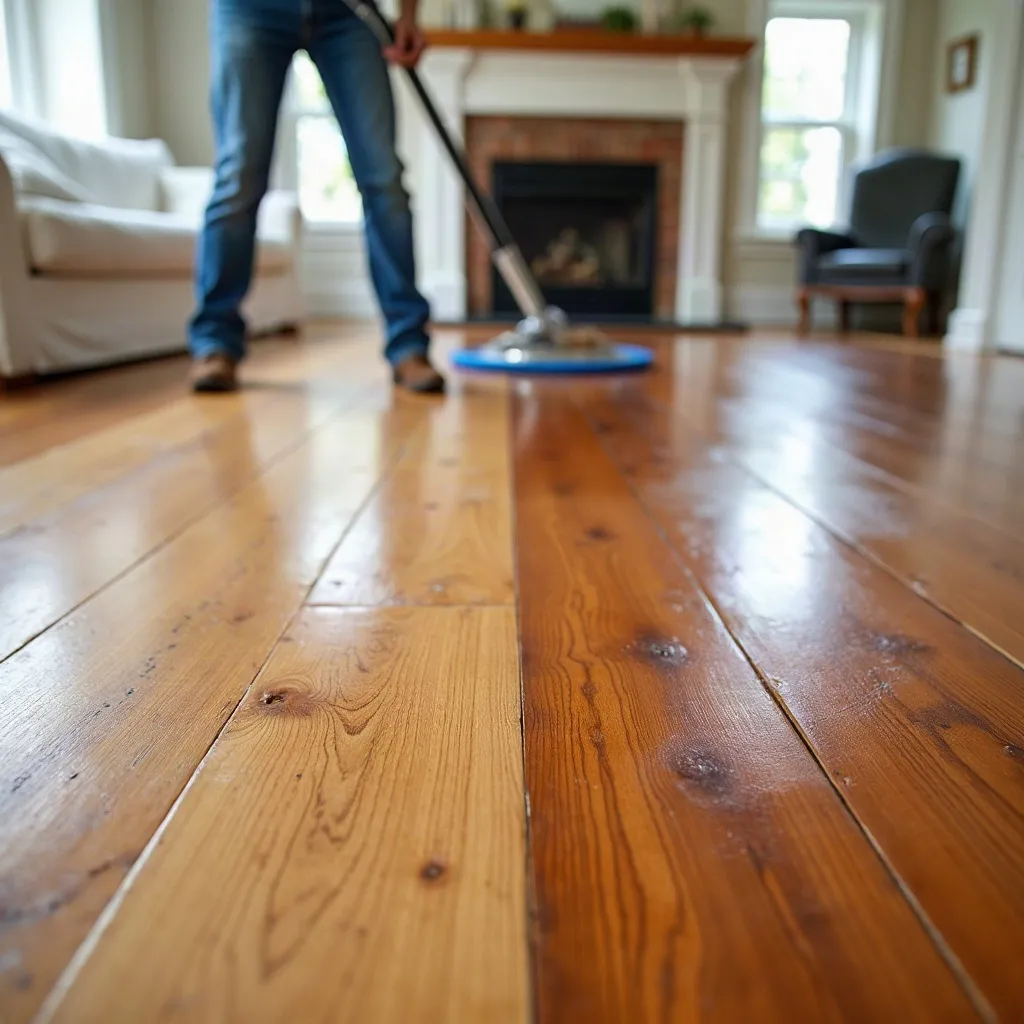
Consider Why Professional Hardwood Refinishing Pays Off
The charm of beautifully restored hardwood floors often depends on the skill of expert floor restoration specialists. Investing in such services not only improves the aesthetic appeal of a home but also extends the durability of the flooring. Professionals possess specialized knowledge and tools that ensure a meticulous process, addressing imperfections and wear effectively.
Furthermore, their background facilitates personalized approaches that fit the particular needs of various wood types and finishes. This meticulous attention can avert supplementary damage and high-cost repairs over time.
In addition, a skillfully refinished floor can improve property value, making it a sensible investment for homeowners. The hours and work saved by engaging specialists further substantiate the cost, as they complete the job with efficiency and safety. Ultimately, professional refinishing transforms not just the floors, but the entire feel of a home environment, making it a decision to contemplate.
How Hardwood Refinishing Proceeds
Hardwood renewal is a planned process that starts with a thorough preparation and assessment phase. This starting stage guarantees that any pre-existing damage is discovered before the sanding and finishing techniques are employed. Familiarity with these steps is crucial to achieving the best results in restoring the beauty of hardwood floors.
Configuration and Inspection Framework
Evaluating the condition of the hardwood floor is essential for a successful refinishing project. This process begins with a thorough inspection to identify any damage, such as scratches, dents, or water stains. Professionals typically look for indications of wear, moisture damage, and the overall integrity of the flooring. Once evaluated, the type of finish previously applied is noted, as this affects the refinishing approach. Measurements are taken to determine the square footage, directing material selection and cost estimation. Additionally, any necessary repairs, such as filling gaps or replacing damaged boards, are identified. This extensive assessment creates a foundation for a tailored refinishing plan, ensuring the final result meets the homeowner's expectations and enhances the floor's longevity.
Surface Sanding and Completing Tasks
The act of sanding makes ready the hardwood surface by removing old finishes and defects, disclosing the fresh wood beneath. This vital step entails using a range of grits of sandpaper, starting with coarse grit to eliminate deep scratches and worn areas. Continuously finer grits smooth the surface, ensuring a smooth finish that improves the wood's natural beauty. After sanding, dust and debris are thoroughly cleared to avoid imperfections in the final coating. Following this, finishing techniques like staining or sealing are applied to protect the wood and enhance its appearance. Superior finishes provide durability and a lasting shine, making sure the hardwood not only seems beautiful but also handles daily wear. Proper sanding and finishing techniques are essential for attaining superior results in hardwood refinishing.
Top Advantages of Professional Hardwood Restoration Services
Transforming tired, worn-out floors into beautiful displays is one of the most compelling reasons to consider expert wood floor restoration. These services not only revive the natural beauty of hardwood but also improve the overall appearance of a home. Expert restoration can significantly boost property value, making it an attractive investment for homeowners.
In addition, experts utilize top-tier materials and innovative approaches, ensuring an impeccable finish that DIY methods often struggle to produce. Accordingly, improved strength, granting floors to bear wear and tear as years pass, which is particularly beneficial in high-traffic environments.
Moreover, professional refinishing reduces dust and debris, ensuring a cleaner environment during the process. With a variety of finishes available, homeowners can customize their floors to match their style preferences. Ultimately, seasoned refinishing offers a synthesis of beauty, longevity, and increased home value, making it a worthwhile consideration for any hardwood floor owner.
Prepare Your Home to Accommodate Hardwood Refinishing
Preparing a home for hardwood refinishing is critical to make certain a smooth and efficient process. First, homeowners should remove all furniture, rugs, and personal items from the area to create a clear workspace. This not only protects belongings from dust and dirt but also allows easy access for the refinishing team. Next, it is advisable to vacuum the floors thoroughly, eliminating dust and dirt that may interfere with the refinishing process.
Homeowners should also consider keeping animals safe in a separate area to prevent them from wandering into the work discover details on zone and guarantee their safety. Additionally, it is prudent to discuss any particular needs or desires with the refinishing professionals beforehand. Finally, maintain proper ventilation in the home, as refinishing materials can emit strong odors. By following these steps, homeowners can enable a more streamlined and successful hardwood refinishing experience.
Common Pitfalls to Avoid When Refinishing Hardwood Floors
When refinishing hardwood floors, various typical blunders can weaken the final product. Avoiding essential preparation steps, using faulty sanding practices, and failing to implement suitable finishing methods can lead to disappointing results. Awareness of these pitfalls is vital for achieving a professional-looking outcome.
Omitting Setup Steps
disregarding essential restoration work, which can deteriorate over time. Consequently, thorough preparation is necessary to ensure the complete groundwork is crucial to maintain the longevity and visual appeal of refinished hardwood floors, ultimately enhancing their aesthetic quality and investment value in any location.
Faulty Sanding Techniques
Improper sanding techniques can drastically undermine the quality of hardwood floor refinishing. One common mistake is applying uneven pressure while sanding, which can create dips or uneven surfaces. Additionally, using the wrong grit sandpaper can lead to over-removal of material, causing damage. Failing to sand in the direction of the grain may also leave visible scratches, detracting from the floor's overall appearance. Insufficient debris clearing between passes can cause grit to scratch the surface, damaging the final result. Finally, failing to transition correctly through various grit levels can result in an inconsistent and unprofessional look. Steering clear of these mistakes is essential for achieving a smooth, flawless result that enhances the natural beauty of hardwood floors.
Skipping Adequate Finishing Work
Proper finishing is just as vital as the sanding process in obtaining a excellent hardwood floor refinishing. Many homeowners underestimate the importance of using the right finishes and application techniques. Neglecting this step can cause rough patches, poor durability, and an uninspiring appearance. Common mistakes include applying too few coats, using incompatible products, or failing to allow adequate drying time between layers. Additionally, insufficient preparation, such as failing to clean the floor properly, can harm the finish's adherence and longevity. Professionals recommend using high-quality finishes tailored to the exact type of wood, ensuring a durable, long-lasting shine. By focusing on proper finishing, homeowners can boost the aesthetics and lifespan of their hardwood floors, avoiding the hazards of inferior refinishing.
Protecting Your Newly Finished Hardwood Floors
Protecting newly finished hardwood floors demands consistent maintenance to maintain their beauty and durability. Regular sweeping or cleaning is vital to remove dust and debris that can damage the surface. Using a soft-bristled broom or a hardwood-designed vacuum prevents damage.
Mopping should be done with a damp microfiber cloth and a pH-balanced cleaner specifically formulated for hardwood. Excessive moisture can cause warping, so it’s important to avoid soaking the floors.
Moreover, spreading rugs in high-traffic areas can minimize wear and tear. Homeowners should also be thoughtful about the placement of furniture; using protective cushions under the base of furniture can avoid scratches.
Ultimately, maintaining ideal humidity levels in your house can safeguard the wood from expansion and contraction. Regularly checking for signs of wear and tackling them quickly will guarantee the floors maintain their stunning appearance for years to come.
Often Asked Inquiries
Hardwood Floors: How Often Do They Require to Be Refinished?
Hardwood floors ought to typically be refinished every 7 to 10 years, subject to factors such as foot traffic, wear, and maintenance. Routine inspections can help pinpoint the ideal timing for refinishing to maintain their aesthetic.
What Types of Sealers Are Available for Hardwood Floors?
Various finishes are offered for hardwood floors, including oil-based polyurethane, water-based polyurethane, penetrating oils, and varnishes. Each option provides distinct durability, appearance, and maintenance requirements, allowing homeowners to choose based on their specific needs.
Is It Feasible to Remain in My Home During Refinishing?
During the refinishing process, staying in the home is generally not recommended due to airborne particles, chemical odors, and safety risks. Homeowners should consider temporary relocation to ensure well-being and peace of mind while the process is in progress.
How much time is required for the refinishing procedure?
Resurfacing commonly requires between three to five days, varying with the dimensions of the region and the extent of the effort needed. This window ensures for sufficient drying and curing of the finish.
Is Hardwood Refinishing Hazardous to Youngsters and Companion Animals?
Hardwood refinishing is safe for children and pets when appropriate safety measures are taken. Ensuring adequate ventilation, using low-VOC products, and permitting adequate drying time minimizes hazards, establishing a safer environment throughout and following the procedure.